Latest Updates
Who's Online

Please sign in to add comments


Cart Contents
| Item: | Price: | Qty: |
|---|---|---|
| Total: R 0.00 | ||
User Content
Latest Poll
Review
Review: Onimusha: Way of the Sword
Now this is a stellar blade.

It’s a good year to be a fan of action games, and an even better year to be a fan of Capcom. After delivering two knockout titles this year in Resident Evil Requiem and Pragmata, the developer returns for a third strike with Onimusha: Way of the Sword, the return of a very beloved, if somewhat niche, IP that once grazed the glory days of the PlayStation 2. With this revival, Way of the Sword manages to inject old bones with new style, leaning heavily into its immensely satisfying combat, thrilling boss battles, and exploration that sometimes misses the mark. Nonetheless, I don’t think you could’ve asked for a better return of Onimusha.
Set during a dark fantasy rendition of Kyoto in the Edo Period, players follow a charismatic samurai named Miyamoto Musashi as he faces all manner of demonic threats that now roam the world. Equipped with his katana, Musashi demonstrates that not all samurai need to be stone-faced soldiers while pitted against almost insurmountable odds. Sometimes, you just need to laugh at how absurd things can get, and there lies the charm of Onimusha: Way of the Sword’s story, even if it’s a bit uneven at times.

All of this is driven by a powerhouse protagonist in Musashi. While I was initially a little apprehensive that Capcom was modelling him after the likeliness of the legendary deceased Japanese actor, Toshiro Mifune, I was pleasantly surprised to see how much Mifune’s likeliness elevated the character. Paired with strong voice acting, after a while, I forgot I was playing a video game-ified version of Mifune and it genuinely felt like the actor had leapt through time and dimensions to appear in this game, right down to the actor’s natural charisma, endlessly entertaining facial expressions, and goofy charm. Whenever Onimusha: Way of the Sword faltered in its pacing or story, Musashi (or should I rather say, Mifune’s presence) was always there to pick it right back up.
I forgot I was playing a video game-ified version of Mifune and it genuinely felt like the actor had leapt through time and dimensions to appear in this game.
This also gives Onimusha: Way of the Sword an unexpectedly light tone at times. Musashi has such a strong screen presence, you almost forget that you’re dealing with something of a pseudo-horror game. Capcom manages to strike a very fine balance between those tones, swinging from light-hearted charm one minute to obscenely disturbing psychological horror the next. It’s less Resident Evil and more Silent Hill with how it executes these horror elements, and I honestly couldn’t believe how far they were willing to go in some scenarios. It’s not what I expected from a 2026 action game but at the same time, I don’t think there was any other way to convey the weight of its evils without compromising on its effectiveness.
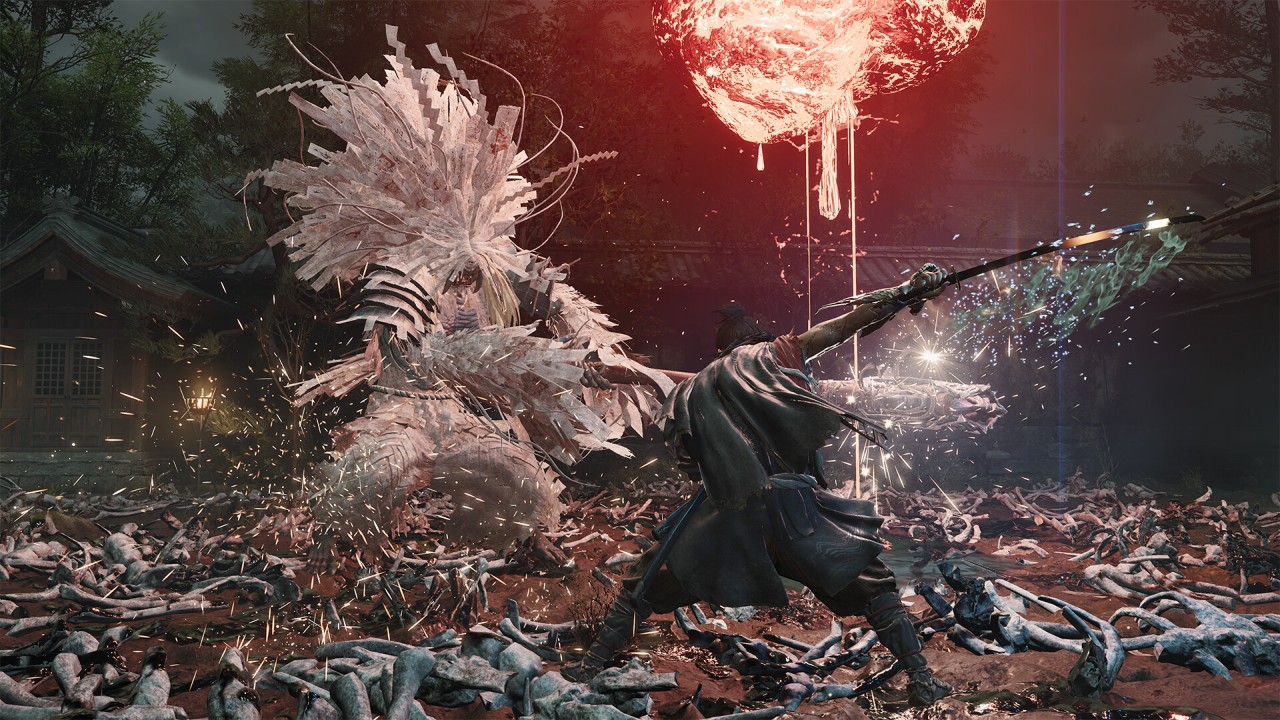
The combat of Onimusha: Way of the Sword is the star of the show. Unlike its clunkier predecessors in the series, Way of the Sword’s combat is more freeflowing and tightly knit, obviously lifting some inspiration from games like Sekiro: Shadows Die Twice or Nioh. You have your standard parries, deflects, dodges and blocks combined with light and heavy attacks, but it’s how you weave these styles together that makes Way of the Sword’s action feel magnetic and surprisingly intuitive. For example, you can cancel certain combos mid-animation to parry, while deflecting easily offers the snappiest and most responsive controls I’ve experienced since Sekiro.
Onimusha: Way of the Sword also has a great difficulty curve. Some action genre veterans may find it more forgiving than they’d like, but I’d argue the difficulty is perfectly balanced to give you challenge and enough wiggle room to learn through repetition instead of become frustrated by it. There was never a moment where I felt like I couldn’t overcome an obstacle, and by throwing points into a slim yet substantial skill tree, the capabilities you gain actually feel like meaningful progression. It’s something that I missed in an era where games of similar ilk dial up the difficulty for the sake of it, but Way of the Sword’s more finely-tuned difficulty balancing just feels right. Again, it’s not going to be for everyone, but it’s a refreshing change for once.
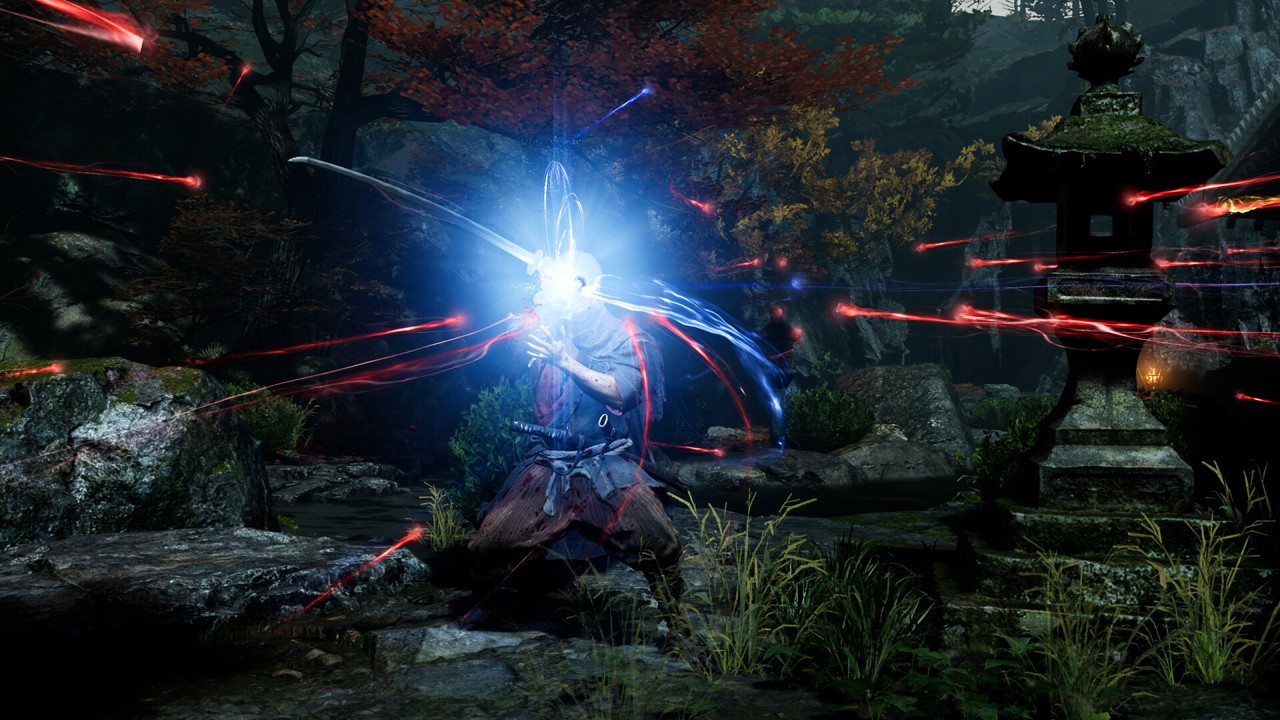
Structurally speaking, the game features a sandbox world where new zones and areas are gradually unlocked as you progress. This not only opens up new enemies but also NPCs and various side quests to keep you busy. While I was invested in this world progression at first, it became a little repetitive after a while. The fact that certain side quests will ask you to return to older areas you’ve already explored (sometimes repeatedly), that charm of discovery does wear off - basically going from point A to point B, then back to point A one too many times. If the game’s world had a tighter design and more linear segments like its predecessors, I wouldn’t have an issue but some of it unfortunately feels like unnecessary padding.
I’d argue the difficulty is perfectly balanced to give you challenge and enough wiggle room to learn through repetition instead of become frustrated by it.
Another underwhelming area is the storytelling. While Musashi does his best to steal every scene and there’s a palpable sense of terror and despair when the horror elements work, the story never feels as grand as it could be. Outside of the main quest, there are a number of NPCs to meet but most of them are fairly straight-forward quest-givers or troubled individuals who have little to offer in the way of compelling characteristics. This probably ties into the design flaw of its world biting off more than it can chew, you’d inevitably run into the problem of trying to populate said world with enough interesting characters to hold your attention outside of combat.

What doesn’t disappoint is the boss fights in Onimusha: Way of the Sword. Just when I thought the action (and all classifying subgenres) had wrung me out on boss battles, in comes Capcom with an assortment of visually incredible and mechanically diverse boss encounters. Taking notes from its own Monster Hunter franchise, these boss fights are true spectacles and there’s an abundance of them in the game - some may argue too many, but you can’t have too much of a good thing, especially when they make up some of the game’s most memorable moments. Some may test your patience but again, the right difficulty tuning meant almost every boss posed the right challenge, either testing your reflexes, wits, or abilities to think outside of the box.
Taking notes from its own Monster Hunter franchise, these boss fights are true spectacles and there’s an abundance of them.
As for performance, I reviewed Onimusha: Way of the Sword on PS5 Pro and it’s, well, flawless. That’s all owed to Capcom’s engineering team which continues to impress with some of the most polished experiences in modern AAA gaming. I rarely encountered a graphical hiccup or glitch and even if I did, it was barely noticeable. Strong art direction also does a lot of heavy lifting, bringing to life some stunning environments and equally stunning creatures. The sound design is also fantastic with solid voice acting across the board, knowing exactly when to pull back and when to ham it up.
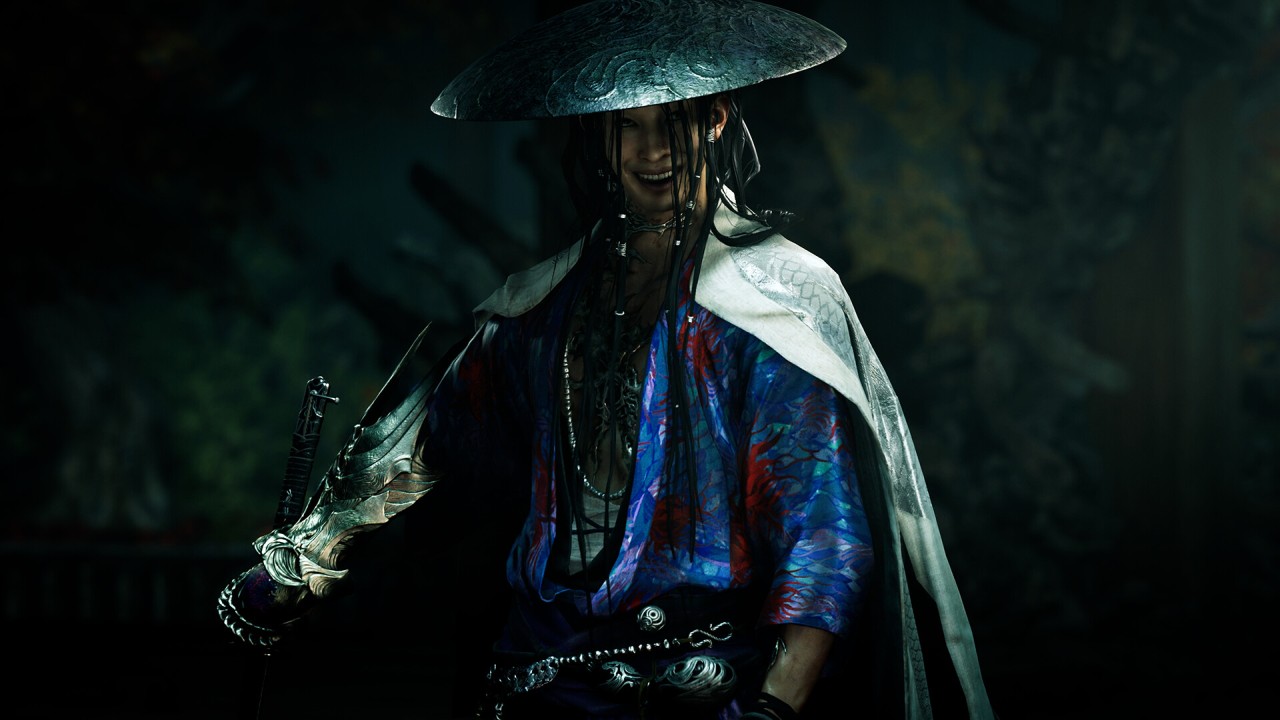
Onimusha: Way of the Sword is a stellar revival of the Onimusha IP and one of the best action games you’ll likely play in 2026. Apart from its polished presentation and strong technical prowess, its thrilling combat, charismatic protagonist, and spectacular boss fights make it Capcom’s finest action game in years (Devil May Cry, where art thou?). If you don’t mind some underwhelming, repetitive side content, uneven storytelling and the odd backtrack, you’ll probably find a lot to love in this sword-slashing dark fantasy ride.
PS5 Review code provided by Capcom | Onimusha: Way of the Sword is available to pre-order for R1,499


There are 5 comments
 Lurch
Lurch


Please login to post comments.
More Reviews

Review: The Blood Of Dawnwalker
Rebel Wolves’s The Blood of Dawnwalker has often been compared to The Witcher III: Wild Hunt from fellow...
15-09-26 Read more

Review: Marvel's Wolverine
When I think about some of PlayStation Studios’ most consistent developers, Insomniac Games always ranks...
10-09-26 Read more
Review: Dumb Ways to Build
Originally a public service announcement which discouraged the Australian public from thoughtless activity...
09-09-26 Read more
Review: Orbitals
Booting up Orbitals for the first time, I was immediately hit by a warm wave of nostalgia like the food...
08-09-26 Read more
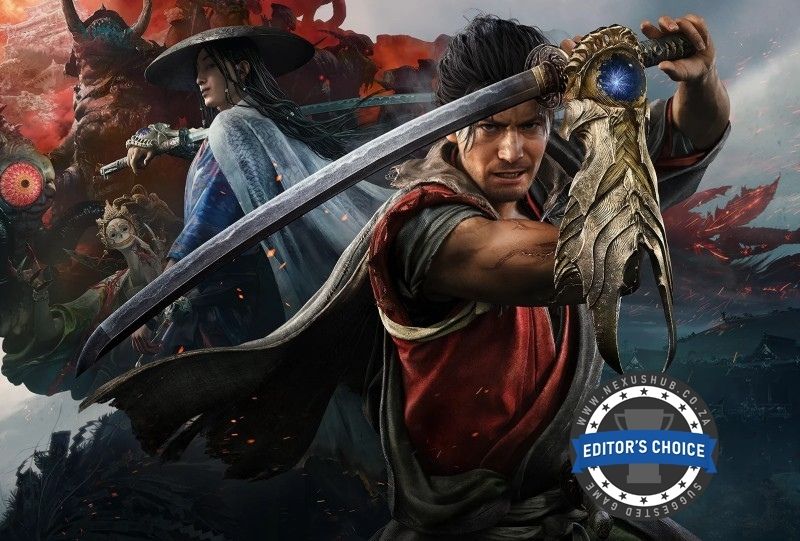
Review: Onimusha: Way of the Sword
It’s a good year to be a fan of action games, and an even better year to be a fan of Capcom. After delivering...
31-08-26 Read more

Review: Spa Weekend
I was invited to attend an exclusive preview screening of the film Spa Weekend on August 20th at Sandton...
21-08-26 Read more

Review: SanDisk Extreme Fit USB-C Flash Drive (128GB)
The SANDISK Extreme Fit USB-C™ Flash Drive - 128GB is something that you might not even believe exists...
21-08-26 Read more

Review: Ground Zero Hero
It’s not often that a game comes around with the ability to grip you into a mindless cycle of absolute...
19-08-26 Read more
Review: Marvel Tokon: Fighting Souls
You know, if anybody was going to make a Marvel themed arcade fighting game in 2026, I’m glad Arc System...
18-08-26 Read more
Review: Mortal Shell 2
With the boom of Soulslike games, developers now have to find interesting ways to mix up the formula...
17-08-26 Read more

Overview